Keto Diet for Beginners: Everything You Need to Know
Introduction
Millions of people have started the ketogenic diet to lose weight, improve energy, and gain better control over their eating habits. Yet, many beginners feel overwhelmed by conflicting advice, complicated meal plans, and misinformation found online.
The good news is that keto doesn't have to be complicated.
In this guide, you'll learn:
- What the ketogenic diet is
- How ketosis works
- What foods to eat and avoid
- Common beginner mistakes
- The benefits and possible side effects
- Tips for starting keto successfully
By the end, you'll have a solid understanding of how keto works and how to start with confidence.
What Is the Keto Diet?

The ketogenic (keto) diet is a low-carbohydrate, high-fat eating plan designed to shift your body's primary fuel source from carbohydrates to fat.
Normally, your body burns glucose (sugar) for energy.
When carbohydrate intake is significantly reduced, your body begins producing molecules called ketones from stored and dietary fat. This metabolic state is known as ketosis.
Instead of relying mainly on sugar, your body becomes more efficient at burning fat for energy.
The World Health Organization also recommends following healthy eating principles while choosing dietary approaches that suit your individual needs. WHO Healthy Diet Fact Sheet.
How Does Ketosis Work?

Explain:
- Carbohydrates become glucose.
- Insulin rises.
- Excess glucose is stored as fat.
- Reduce carbs.
- Glycogen stores are depleted.
- Liver produces ketones.
- Body burns fat.
Include a simple step-by-step process graphic.
Benefits of the Keto Diet
Discuss:
- Weight loss
- Reduced hunger
- Stable energy
- Improved blood sugar management for some individuals
- Potential mental clarity
- Convenience due to fewer hunger spikes
Keep claims balanced and avoid overstating health benefits.
The NIH Office of Dietary Supplements provides useful guidance on recommended nutrient intake for adults. Dietary Reference Intakes (DRI)
Foods You Can Eat
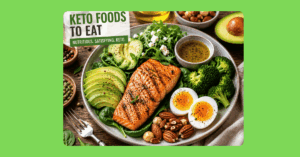
Examples include:
Healthy fats
- Avocados
- Olive oil
- Butter
- Coconut oil
Protein
- Beef
- Chicken
- Fish
- Eggs
Vegetables
- Spinach
- Broccoli
- Cauliflower
- Zucchini
Dairy
- Cheese
- Greek yogurt (where appropriate)
- Heavy cream
Nuts and seeds
- Almonds
- Walnuts
- Chia seeds
Foods to Avoid
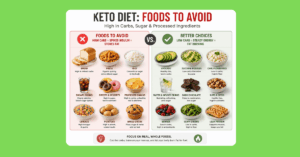
High-carbohydrate foods such as:
- Bread
- Pasta
- Rice
- Sugary drinks
- Candy
- Cakes
- Most processed snack foods
Common Beginner Challenges
Discuss:
Keto Flu
Temporary fatigue
Sugar cravings
Eating too few vegetables
Not drinking enough water
Electrolyte imbalance
Tracking carbs incorrectly
Beginner Tips for Success

Cover practical habits:
- Plan meals in advance.
- Read nutrition labels.
- Stay hydrated.
- Increase electrolytes when appropriate.
- Focus on whole foods.
- Be patient while adapting.
Is Keto Right for Everyone?
Explain that keto may not be suitable for everyone. People with certain medical conditions, those who are pregnant, or anyone taking medications that affect blood sugar should consult a qualified healthcare professional before making significant dietary changes.
A Simpler Way to Start Keto

One of the biggest reasons people struggle with keto isn't motivation—it's uncertainty about what to eat.
Several scientific reviews have examined the ketogenic diet and its potential mechanisms, including recent reviews available through the U.S. National Library of Medicine. Ketogenic Diet.
Creating a meal plan from scratch, calculating macros, and maintaining variety can be time-consuming.
That's why many beginners choose structured meal planning tools that generate personalized recipes and shopping lists based on their goals and preferences.
If you'd like to see one example, read our in-depth review of the Custom Keto Diet program to learn how a personalized approach can simplify your first weeks on keto.
Read the Custom Keto Diet Review → Custom Keto Diet Review
Frequently Asked Questions
Include answers to questions such as:
- How long does it take to enter ketosis?
- Can I exercise while on keto?
- Is keto safe?
- Can vegetarians follow keto?
- How many carbs should beginners eat?
- Can I have cheat meals?
Harvard's Nutrition Source notes that ketogenic diets may offer benefits for some individuals, although long-term suitability depends on individual circumstances and should ideally be discussed with a healthcare professional. Ketogenic Diet Review.
Conclusion
Starting the ketogenic diet doesn't require perfection—it requires consistency and a willingness to learn.
By focusing on whole foods, staying hydrated, and understanding the basics of ketosis, you'll be in a much stronger position to succeed than by chasing quick fixes.
Whether you choose to build your own meal plan or use a personalized program, the key is selecting an approach that you can realistically follow over the long term.
If you're interested in a structured option, our detailed review of the Custom Keto Diet program explains how personalized meal planning can help beginners get started with greater confidence.