Keto Foods List for Beginners: What to Eat, What to Avoid, and Why It Matters
Starting a ketogenic diet can feel overwhelming. One website tells you to eat unlimited bacon, another says avoid dairy, while someone on social media insists fruit is completely off-limits. It's no surprise that many beginners feel confused before they even begin.
The good news is that keto doesn't have to be complicated. Once you understand which foods naturally support ketosis—and which foods can quickly increase your carbohydrate intake—meal planning becomes much easier.
Whether your goal is weight management, improved energy, or simply adopting a lower-carbohydrate lifestyle, building your meals around the right foods is one of the most important steps toward long-term success.
General Nutrition Resource
Nutrition recommendations continue to emphasize choosing minimally processed foods and understanding food quality alongside macronutrient balance.
Supported by: (The Nutrition Source)
In this guide, you'll discover:
- What makes a food keto-friendly
- The best healthy fats, proteins, and vegetables
- Fruits you can still enjoy
- Foods that commonly knock people out of ketosis
- Hidden carbohydrates many beginners overlook
- Smart grocery shopping tips
- A printable keto food checklist
Let's begin with the foundation.
What Makes a Food Keto-Friendly?
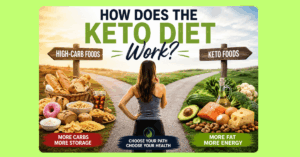
The ketogenic diet is designed to encourage your body to rely primarily on fat for energy instead of carbohydrates. This metabolic state, known as ketosis, develops when carbohydrate intake is kept sufficiently low for your body to produce ketones from stored or dietary fat.
A keto-friendly food generally has four characteristics:
Low in Carbohydrates
Foods that contain very little sugar or starch make it easier to stay within your daily carbohydrate target.
Examples include:
- Meat
- Fish
- Eggs
- Leafy greens
- Healthy oils
Rich in Healthy Fats
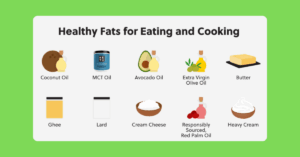
Unlike many traditional diets, keto relies on healthy fats as the primary source of energy.
Examples include:
- Olive oil
- Avocados
- Butter
- Nuts
- Seeds
Moderate Protein
Protein remains essential for maintaining muscle mass and supporting overall health, but excessively high protein intake may reduce ketosis for some individuals.
Choose quality protein in appropriate portions.
Nutrient Dense
The healthiest ketogenic diet emphasizes whole, minimally processed foods that provide vitamins, minerals, fiber, and antioxidants—not just foods labeled “keto.”
Quick Macronutrient Guide
| Nutrient | Typical Keto Range |
| Fat | 70–75% |
| Protein | 20–25% |
| Carbohydrates | 5–10% |
Remember that these ranges may vary depending on your goals, activity level, and individual needs.
Healthy Fats: The Foundation of Keto
Healthy fats provide most of the energy on a ketogenic diet. They also help promote satiety, making it easier to avoid unnecessary snacking.
Excellent keto fats include:
Avocados
Rich in monounsaturated fats, potassium, and fiber, avocados are one of the most nutritious foods you can include in your keto meal plan.
Extra Virgin Olive Oil
Ideal for salads and low-heat cooking, olive oil is associated with heart-healthy dietary patterns.
Coconut Oil
Contains medium-chain triglycerides (MCTs), which may be converted into ketones more readily than some other fats.
MCT Oil
Popular among experienced keto followers for adding to coffee or smoothies, though it should be introduced gradually.
Butter and Ghee
Suitable for cooking and adding flavor, especially when used in moderation within a balanced eating pattern.
Olives
A convenient snack rich in healthy fats and low in carbohydrates.
Free Resource: Pair these foods with our 7-Day Easy Keto Meal Plan to see how they fit into simple beginner-friendly meals.
Protein Sources
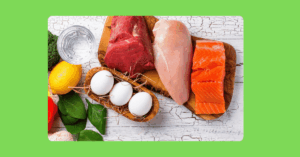
Protein supports muscle maintenance, immune function, and overall health. The key is choosing minimally processed sources without added sugars or breading.
Recommended protein options include:
Beef
Choose lean or moderately marbled cuts depending on your preferences.
Chicken
Chicken thighs contain slightly more fat, while chicken breast is leaner and versatile.
Turkey
A great source of protein for meals and salads.
Pork
Fresh pork cuts can fit well within a ketogenic diet.
Eggs
Often considered one of the most complete and affordable keto foods.
Salmon
Rich in protein and omega-3 fatty acids.
Tuna
Convenient for quick lunches and meal preparation.
Sardines
High in omega-3s, calcium, and vitamin D.
Shrimp
Low in carbohydrates and quick to prepare.
Aim for a variety of protein sources throughout the week to help ensure a balanced intake of nutrients.
Low-Carb Vegetables
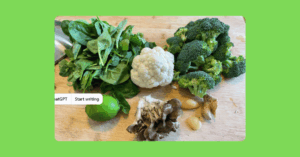
Vegetables remain an essential part of a healthy ketogenic diet because they provide fiber, vitamins, minerals, and antioxidants.
Great beginner choices include:
Leafy Greens
- Spinach
- Kale
- Lettuce
- Swiss chard
Cruciferous Vegetables
- Broccoli
- Cauliflower
- Cabbage
- Brussels sprouts
Other Low-Carb Vegetables
- Zucchini
- Mushrooms
- Cucumbers
- Bell peppers
- Asparagus
- Celery
- Green beans
These vegetables work well in salads, stir-fries, soups, casseroles, and side dishes.
Dairy on Keto
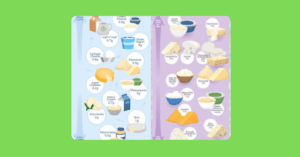
Many dairy products can fit into a ketogenic diet, although choices matter.
Good Choices
- Cheddar cheese
- Mozzarella
- Parmesan
- Heavy cream
- Unsweetened Greek yogurt (in moderation)
- Cottage cheese (watch serving sizes)
Dairy to Limit
- Sweetened yogurt
- Flavored milk drinks
- Ice cream
- Sweetened coffee creamers
Always read the nutrition label, as added sugars can quickly increase carbohydrate intake.
Nuts and Seeds
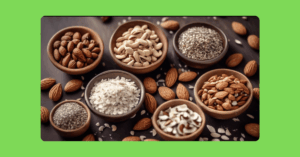
Nuts and seeds provide healthy fats, fiber, minerals, and satisfying crunch. However, portion sizes are important because carbohydrates can add up.
Excellent options include:
- Almonds
- Walnuts
- Pecans
- Macadamia nuts
- Brazil nuts
- Chia seeds
- Flaxseeds
- Pumpkin seeds
- Sunflower seeds
Macadamias and pecans tend to be among the lowest in carbohydrates, while cashews contain more carbs and are best enjoyed sparingly.
Fruits You Can Eat on Keto
Many people believe fruit is completely forbidden on keto, but that's not entirely true. Lower-sugar fruits can fit into a ketogenic lifestyle when eaten in moderation.
Good options include:
- Strawberries
- Blueberries
- Blackberries
- Raspberries
- Avocados
- Lemons
- Limes
Berries provide antioxidants and fiber while generally containing fewer carbohydrates than tropical fruits such as bananas, mangoes, or grapes.
Foods to Avoid
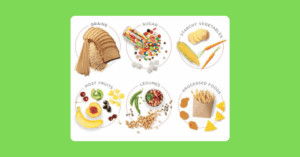
One of the fastest ways to fall out of ketosis is by regularly consuming foods high in refined carbohydrates and added sugars.
Common foods to limit or avoid include:
Grains
- Bread
- Pasta
- Rice
- Tortillas
- Breakfast cereals
Starchy Vegetables
- Potatoes
- Sweet potatoes
- Corn
Sugary Foods
- Candy
- Cakes
- Cookies
- Pastries
- Doughnuts
Sugary Drinks
- Soft drinks
- Sweet tea
- Energy drinks
- Fruit juice
Highly Processed Snacks
- Crackers
- Chips
- Pretzels
These foods can rapidly increase blood sugar and make it more difficult to maintain ketosis.
Hidden Carbohydrates
Many foods that appear healthy may contain added sugars or starches.
Pay special attention to:
- Ketchup
- Barbecue sauce
- Honey mustard
- Teriyaki sauce
- Salad dressings
- Protein bars
- Flavored yogurt
- Low-fat foods
- Ready-made soups
Always check:
- Total carbohydrates
- Serving size
- Added sugars
- Ingredient list
Learning to read nutrition labels is one of the most valuable skills for long-term keto success.
Smart Keto Grocery Shopping Tips
Shopping with a plan helps you make healthier choices and stay within your budget.
Shop the Perimeter
Fresh meat, seafood, eggs, dairy, and produce are often located around the outer sections of the grocery store.
Read Labels
Marketing claims such as “healthy” or “natural” do not necessarily mean a product is keto-friendly.
Buy Whole Foods
Whenever possible, choose foods in their least processed form.
Plan Meals Before Shopping
Preparing a shopping list based on your weekly meals helps reduce impulse purchases.
Don't Shop Hungry
Shopping on an empty stomach often leads to unnecessary purchases.
Buy Frozen Vegetables
Frozen vegetables are convenient, nutritious, and often more affordable than fresh produce.
Best keto diet for beginners. (link to AST-008 when its created)
Healthy Eating Guidance
For additional practical nutrition and meal-planning advice, the U.S. National Institute on Aging offers helpful resources on healthy eating and reading food labels.
National Institute on Aging — Healthy eating, nutrition, and diet
Supported by: (National Institute on Aging)
Printable Keto Food Checklist

Use this simple checklist during your next grocery trip.
Healthy Fats
✔ Avocados
✔ Olive oil
✔ Coconut oil
✔ Butter
✔ Ghee
✔ Olives
Proteins
✔ Eggs
✔ Chicken
✔ Beef
✔ Turkey
✔ Salmon
✔ Tuna
✔ Sardines
✔ Shrimp
Vegetables
✔ Spinach
✔ Broccoli
✔ Cauliflower
✔ Cabbage
✔ Mushrooms
✔ Zucchini
✔ Bell peppers
✔ Cucumbers
Dairy
✔ Cheese
✔ Heavy cream
✔ Unsweetened Greek yogurt
Nuts & Seeds
✔ Almonds
✔ Walnuts
✔ Pecans
✔ Macadamias
✔ Chia seeds
✔ Flaxseeds
Pantry Staples
✔ Herbs
✔ Spices
✔ Apple cider vinegar
✔ Sea salt
✔ Black pepper
✔ Unsweetened almond milk
Tip: Download and keep this checklist with your 7-Day Easy Keto Meal Plan to simplify weekly shopping and meal preparation.

Frequently Asked Questions
Can I eat fruit on keto?
Yes. Lower-sugar fruits such as berries, lemons, limes, and avocados can fit into a ketogenic diet when eaten in moderation.
Is peanut butter keto?
Natural peanut butter without added sugar can fit into a keto diet, but portion sizes matter. Always check the nutrition label.
Are carrots keto?
Carrots contain more carbohydrates than leafy greens but can still be enjoyed in small amounts as part of a balanced ketogenic meal plan.
Can vegetarians follow keto?
Yes. Vegetarians can focus on eggs, cheese, healthy fats, tofu, nuts, seeds, and low-carbohydrate vegetables.
What snacks are keto-friendly?
Popular options include cheese, boiled eggs, olives, celery with nut butter, cucumber slices, and a handful of nuts.
Healthy Plate Guidance
Even if you follow a ketogenic approach, it's still important to emphasize whole, nutrient-dense foods and balanced meal planning whenever possible.
Harvard T.H. Chan School of Public Health — Healthy Eating Plate
Supported by: (The Nutrition Source)
Conclusion
The ketogenic diet becomes much easier once you know which foods naturally support your goals. By filling your shopping cart with healthy fats, quality proteins, low-carbohydrate vegetables, and nutrient-dense whole foods, you can build satisfying meals that support ketosis while providing the nutrients your body needs.
Rather than chasing every new “keto” product on the market, focus on simple, minimally processed ingredients and consistent habits. Over time, these choices can make meal planning easier and help you maintain your eating pattern with greater confidence.
Ready to put this food list into action? Download the 7-Day Easy Keto Meal Plan and make your first week on keto easier with a simple, practical guide designed for beginners.
If you're ready to take the next step beyond choosing the right foods, a personalized meal plan can remove much of the guesswork. Read our Custom Keto Diet Review to learn how a tailored approach can help you build meals that fit your goals, preferences, and lifestyle.
Knowing which foods to buy is the first step—but turning those ingredients into meals that fit your goals can still be challenging. If you'd like a personalized plan based on your body type, preferences, and objectives, read our Custom Keto Diet Review to see how a customized meal plan can simplify your keto journey.