How Does the Keto Diet Work? A Beginner's Guide to Understanding Ketosis
If you've been researching weight loss, healthy eating, or low-carbohydrate lifestyles, you've almost certainly come across the ketogenic diet. Thousands of people claim it helped them lose weight, reduce cravings, and improve their energy levels—but what exactly makes it work?
Unlike many popular diets that simply tell you to eat less, the ketogenic diet changes the way your body produces energy. Instead of relying primarily on carbohydrates for fuel, it encourages your body to use stored fat as its main energy source through a natural metabolic process called ketosis.
That shift is what makes keto different from traditional low-fat or calorie-restricted diets.
In this beginner's guide, you'll learn:
- What the keto diet is
- How ketosis works
- Why your body begins burning fat
- How long it takes to enter ketosis
- Common misconceptions
- Potential benefits and side effects
- Whether keto is the right choice for you
By the end of this guide, you'll have a clear understanding of how the ketogenic diet works and why many people choose it as part of their long-term healthy lifestyle.
What Is the Keto Diet?
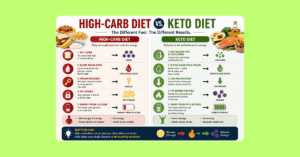
The ketogenic diet, often shortened to keto, is a way of eating that focuses on reducing carbohydrate intake while increasing healthy fats and consuming moderate amounts of protein.
Although they're often grouped together, low-carb and ketogenic diets are not exactly the same. Learn the differences in Low-Carb vs Keto: What's the Difference?
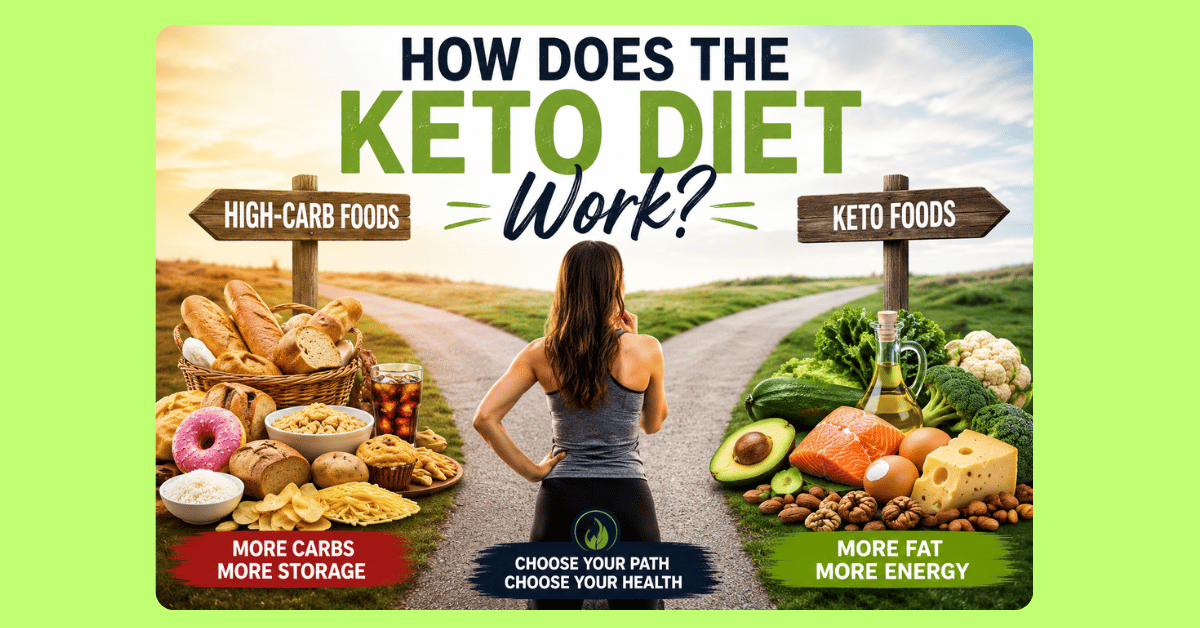
Under a typical Western diet, carbohydrates provide most of the body's daily energy. Foods such as bread, rice, pasta, potatoes, cereal, fruit juice, and sugary snacks are quickly broken down into glucose, which becomes the body's preferred fuel source.
When glucose is readily available, the body has little reason to use stored body fat for energy.
The ketogenic diet changes this process by significantly reducing carbohydrate intake. As glucose becomes less available, the body begins searching for another reliable fuel source.
That alternative fuel comes from fat.
The liver converts fatty acids into molecules called ketones, which many tissues—including the brain—can use for energy. This metabolic adaptation is known as ketosis.
Rather than constantly depending on dietary carbohydrates, the body becomes much more efficient at using fat as fuel.
Traditional Diet vs. Keto
A simple way to understand the difference is to compare how the body creates energy under each eating pattern.
Traditional high-carbohydrate diet
Carbohydrates → Glucose → Energy
Ketogenic diet
Low carbohydrates → Fat breakdown → Ketones → Energy
Both systems produce energy. The difference lies in which fuel source your body primarily uses.
How Does the Keto Diet Work?
To understand keto, it's helpful to know what happens after eating carbohydrates.
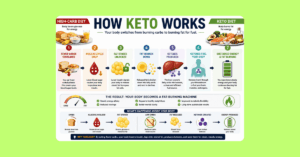
When you eat foods rich in carbohydrates, your digestive system converts them into glucose. As blood glucose rises, your pancreas releases insulin.
Insulin helps move glucose into cells where it can be used for energy or stored for later use.
When carbohydrate intake remains high, the body continues relying mainly on glucose.
However, when carbohydrate intake is greatly reduced, insulin levels generally decrease, stored glycogen becomes depleted over time, and the body gradually increases fat breakdown. The liver converts part of that fat into ketones, which become an important alternative energy source.
This transition doesn't happen instantly. It's a gradual adaptation as your metabolism shifts toward using more fat and ketones for fuel.
What Is Ketosis?
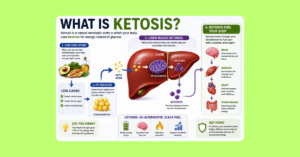
Ketosis is a normal metabolic state in which the body produces ketones from fat to provide energy when carbohydrate availability is low.
Despite sometimes being misunderstood, ketosis is a natural process. It can occur during prolonged fasting, extended exercise, or when following a well-formulated ketogenic diet.
Once ketone production increases, many organs—including the brain—can use them alongside glucose for energy.
This flexibility is one reason many people find keto an interesting dietary approach.
It's important not to confuse nutritional ketosis with diabetic ketoacidosis, which is a serious medical emergency affecting people with certain forms of diabetes. They are very different conditions.
Why Does the Body Burn Fat on Keto?
Your body is designed to survive under many different conditions.
When food is plentiful and carbohydrates are abundant, glucose is an efficient fuel.
When carbohydrates become limited, your body adapts by accessing stored fat.
Think of it like a hybrid vehicle.
A hybrid car can switch between gasoline and electricity depending on driving conditions.
Similarly, the human body can use either carbohydrates or fat depending on fuel availability.
The ketogenic diet simply encourages the body to rely more heavily on fat.
How Long Does It Take to Reach Ketosis?
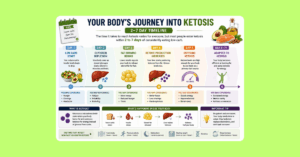
For many people, ketosis begins within two to seven days of consistently limiting carbohydrate intake, though the exact timing varies.
Several factors influence how quickly this transition occurs:
- Daily carbohydrate intake
- Physical activity level
- Individual metabolism
- Previous eating habits
- Glycogen stores
- Overall health
Some individuals enter ketosis sooner, while others require more time to adapt.
Rather than chasing speed, most beginners benefit from focusing on consistency and developing sustainable eating habits.
What Foods Help You Reach Ketosis?
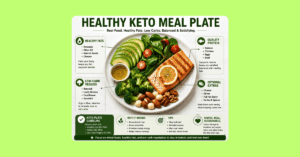
The ketogenic diet emphasizes whole, nutrient-dense foods while limiting foods that are high in digestible carbohydrates.
Harvard T.H. Chan School of Public Health
The Nutrition Source
Common keto-friendly foods include:
- Avocados
- Eggs
- Salmon
- Chicken
- Beef
- Olive oil
- Butter
- Cheese
- Nuts
- Seeds
- Leafy green vegetables
- Broccoli
- Cauliflower
- Zucchini
Foods that are commonly limited include:
- Bread
- Rice
- Pasta
- Sugary drinks
- Candy
- Cakes
- Most breakfast cereals
- Many processed snack foods
If you'd like a complete beginner-friendly reference, see our Keto Foods List for Beginners, where we break foods into “Eat Often,” “Eat in Moderation,” and “Avoid” categories.
Potential Benefits of the Keto Diet
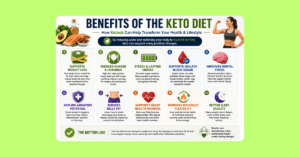
Research into ketogenic diets continues to evolve, and experiences vary from person to person. Some people report benefits such as:
Weight Management
Many people find that keto helps reduce calorie intake naturally because meals rich in protein and healthy fats can be filling.
Reduced Cravings
Limiting refined carbohydrates may help some people experience fewer hunger spikes and sugar cravings.
Steadier Energy
Some individuals report more consistent energy throughout the day after adapting to ketosis.
Blood Sugar Management
Some studies suggest ketogenic diets may help improve blood sugar control in certain individuals. People with diabetes or those taking glucose-lowering medications should seek medical guidance before making major dietary changes.
Mental Focus
Some people report improved concentration after adapting to ketosis, although individual experiences differ and research is ongoing.
Possible Side Effects
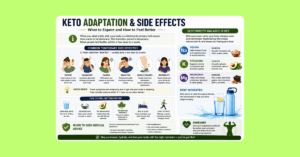
Changing the body's primary fuel source can involve an adjustment period.
Some beginners experience what's commonly called the keto flu, which may include:
- Fatigue
- Headaches
- Irritability
- Muscle cramps
- Brain fog
- Low energy
These symptoms are often temporary and may improve as the body adapts. Staying hydrated and consuming adequate electrolytes can help many people during this transition.
Some people may also experience constipation if they reduce fiber intake too much, highlighting the importance of including low-carbohydrate vegetables in the diet.
Common Keto Myths
Myth: Keto Means Eating Unlimited Bacon
Keto focuses on balanced nutrition, not unlimited processed meats. Healthy fats, quality proteins, and vegetables remain important.
Myth: Keto Is a High-Protein Diet
A ketogenic diet is generally high in fat, moderate in protein, and low in carbohydrates.
Myth: The Brain Can Only Use Sugar
Although the brain requires some glucose, it can also use ketones as an important energy source during nutritional ketosis.
Myth: All Fats Are Bad
Current nutrition guidance distinguishes between different types of dietary fat. Unsaturated fats from foods such as olive oil, nuts, seeds, and avocados are generally considered part of a healthy eating pattern.
Common Beginner Mistakes
Many new keto followers make a few avoidable mistakes that can slow their progress. Before you start, read our guide on Common Keto Mistakes Beginners Should Avoid.
Who Should Consider the Keto Diet?
The ketogenic diet may appeal to adults who want a structured, lower-carbohydrate eating approach or who are looking to manage their weight with a well-planned dietary strategy.
However, keto is not suitable for everyone. People who are pregnant, have certain medical conditions, or take medications that affect blood sugar should consult a qualified healthcare professional before making significant dietary changes.
Can a Personalized Keto Plan Help?
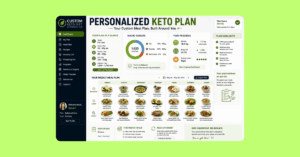
One of the biggest challenges for beginners is figuring out what to eat each day.
Many people download generic meal plans only to discover they don't fit their schedule, food preferences, cooking experience, or calorie needs.
Planning meals ahead of time can make keto much easier to maintain. Our article on Healthy Keto Meal Planning Tips walks you through creating a simple weekly routine.
That's one reason personalized meal planning has become increasingly popular. Instead of following a one-size-fits-all approach, a customized plan can take individual goals and preferences into account, making it easier to stay consistent over time.
If you're interested in learning how a personalized approach works, you can also read our in-depth Custom Keto Diet Review, where we examine a program designed to create meal plans tailored to individual needs and goals.
Ready to Start Keto the Right Way?

Learning how the keto diet works is the first step toward making informed decisions about your nutrition.
From here, you can continue building your knowledge by exploring our beginner resources, including a practical keto foods guide, common mistakes to avoid, and meal-planning tips.
If you're ready for a more structured approach, consider downloading our free 7-Day Easy Keto Meal Plan, which provides simple meal ideas to help you get started. You can also explore our detailed review of the Custom Keto Diet program to see how personalized meal planning may fit your goals.
Looking for the best way to begin? Our guide to the Best Keto Diet for Beginners compares several beginner-friendly approaches and explains how to choose the one that fits your goals.
The most successful nutrition plan is one that is balanced, sustainable, and realistic for your lifestyle. Take time to learn, choose quality foods, and build habits you can maintain over the long term.
Frequently Asked Questions
How does the keto diet actually work?
The ketogenic diet works by reducing carbohydrate intake enough that the body begins producing ketones from fat, which can serve as an alternative fuel source.
What is ketosis?
Ketosis is a normal metabolic state in which the liver produces ketones from fat to help provide energy when carbohydrate intake is low.
How many carbohydrates can I eat on keto?
Many ketogenic diets limit digestible carbohydrates to around 20–50 grams per day, though individual needs can vary.
Is keto safe?
For many healthy adults, a well-planned ketogenic diet may be appropriate. However, it isn't suitable for everyone, so medical advice is recommended for people with certain health conditions or those taking specific medications.
Can beginners follow the keto diet?
Yes. Many beginners start successfully by learning the basics, planning meals in advance, and focusing on whole, nutrient-dense foods.
How long does it take to reach ketosis?
Many people begin reaching ketosis within two to seven days, although this depends on diet, activity level, metabolism, and individual factors.
Can I exercise while following keto?
Yes. Some people continue exercising while adapting to keto, though performance may temporarily change during the transition period.
Do I need supplements on keto?
Not necessarily. Some people choose supplements based on their individual needs, but many can meet nutritional requirements through a well-planned diet. Consult a healthcare professional for personalized advice.
Curious whether a personalized keto plan is worth it? Read our complete Custom Keto Diet Review to see how customized meal planning works and whether it could be the right fit for you.