
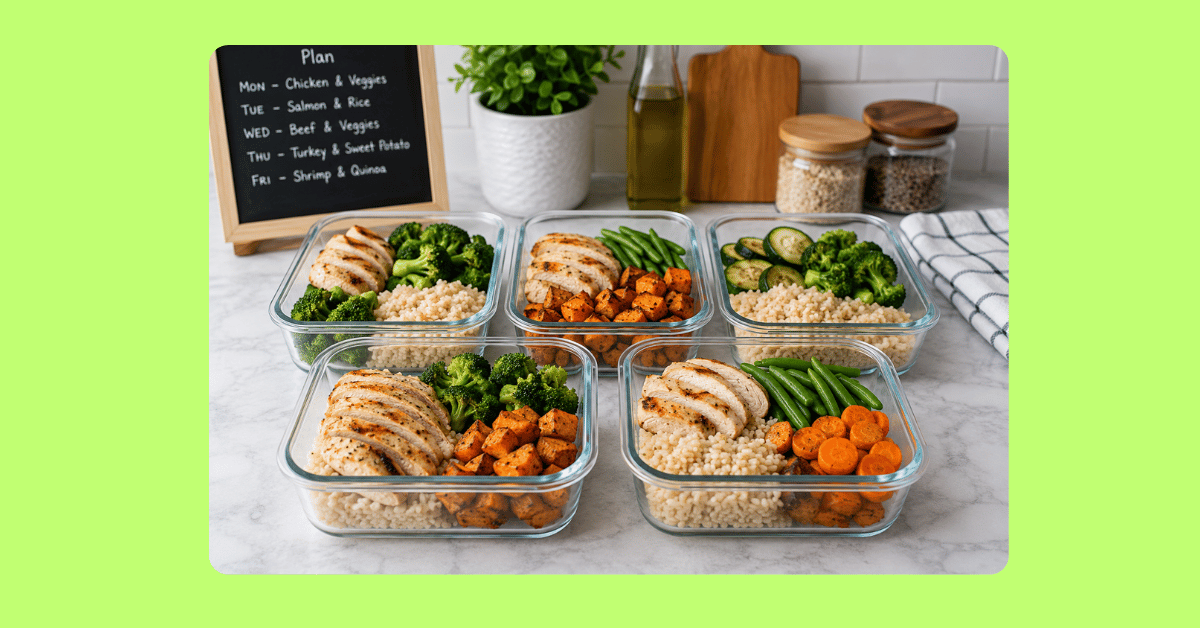

Healthy Meal Planning Tips for Busy People (2026 Beginner's Guide)

Introduction
Do you often find yourself standing in front of the refrigerator wondering what to cook for dinner?
If you're like many busy people, healthy eating usually starts with good intentions but quickly gets replaced by takeout, fast food, or whatever happens to be available when hunger strikes.
The problem isn't usually a lack of motivation—it’s a lack of planning.
Meal planning is one of the simplest habits you can build to improve your health, save money, and reduce the daily stress of deciding what to eat. Spending just 20–30 minutes planning your meals each week can eliminate countless last-minute food decisions and make healthy eating much easier to maintain.
Whether your goal is weight loss, improved energy, better nutrition, or simply spending less time in the kitchen, learning how to organize your meals can make a remarkable difference.
In this guide, you'll discover practical healthy meal planning tips, common mistakes to avoid, and a simple system you can start using this week.
Why Meal Planning Matters
Meal planning is much more than writing a grocery list.
It's a strategy that helps you make healthier decisions before hunger influences your choices.
Instead of asking yourself several times each day:
“What should I eat?”
you already know the answer.
That single habit reduces stress and helps build consistency.
Healthy eating becomes much easier when nutritious meals are already prepared.
Instead of reaching for convenience foods when you're tired after work, you'll already have balanced meals waiting.
Consistency—not perfection—is what leads to long-term results.
For additional practical nutrition and meal-planning guidance, the U.S. National Institute on Aging offers helpful information on healthy eating habits, balanced nutrition, and building sustainable dietary routines.
U.S. National Institute on Aging
Save Time
One of the biggest benefits is saving time.
Instead of making multiple grocery trips each week or preparing every meal from scratch, you can:
- shop once
- cook once or twice
- enjoy prepared meals throughout the week
Many people discover they save several hours every week simply by organizing their meals in advance.
Save Money
Meal planning also reduces unnecessary spending.
Without a plan it's easy to:
- buy duplicate ingredients
- waste fresh produce
- order expensive takeout
- purchase unhealthy impulse foods
Planning your meals helps you buy only what you actually need.
Over time, these savings can add up significantly.
Improve Your Health
Healthy eating becomes much easier when nutritious meals are already prepared.
Instead of reaching for convenience foods when you're tired after work, you'll already have balanced meals waiting.
Consistency—not perfection—is what leads to long-term results.
Common Meal Planning Mistakes
Many beginners think meal planning requires complicated recipes or hours in the kitchen.
In reality, most planning failures come from a few common mistakes.
Trying to Plan Every Meal Perfectly
Perfection often becomes the enemy of consistency.
Your weekly plan doesn't need to look like a restaurant menu.
Simple meals that you actually enjoy are much more sustainable.
Choosing Complicated Recipes
If every dinner requires 25 ingredients and two hours of preparation, you'll likely abandon your plan within a week.
Instead:
- choose simple recipes
- repeat favorite meals
- rotate ingredients
- keep preparation realistic
Shopping Without a List
Walking into the grocery store without a list usually results in:
- impulse purchases
- forgotten essentials
- wasted money
A written shopping list based on your weekly menu makes grocery shopping faster and far more efficient.
Ignoring Your Schedule
One of the biggest mistakes is planning elaborate meals on your busiest days.
If Wednesday is packed with work and family commitments, schedule an easy meal or use leftovers.
Your meal plan should fit your life—not the other way around.
Forgetting Healthy Snacks
Many people plan breakfast, lunch, and dinner but overlook snacks.
Having healthy snacks prepared can help reduce cravings and make it easier to stick to your nutrition goals.
If you're new to healthy eating, you may also enjoy our guide on Keto Diet for Beginners, which explains how to build sustainable eating habits from the ground up.
7 Healthy Meal Planning Tips That Actually Work
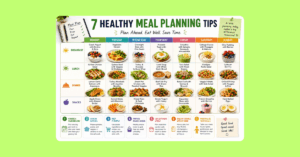
Meal planning doesn't have to be complicated. The most successful meal plans are often the simplest ones because they're realistic enough to follow week after week.
Here are seven practical tips that can help you create a sustainable meal-planning routine.
1. Choose One Day Each Week to Plan
Consistency starts with setting aside a regular planning day.
Many people prefer Sunday afternoon because it gives them time to prepare for the week ahead, but any day that fits your schedule will work.
During your planning session:
- Check your calendar for busy days.
- Decide how many meals you'll cook.
- See what ingredients you already have.
- Create your shopping list.
- Schedule your grocery trip.
Having a routine means you'll spend less time thinking about food decisions throughout the week.
2. Cook in Batches

Batch cooking is one of the easiest ways to reduce the amount of time you spend in the kitchen.
Instead of preparing individual meals every day, cook larger portions once or twice a week and divide them into ready-to-eat servings.
Foods that work well for batch cooking include:
- Grilled chicken
- Lean beef
- Salmon
- Roasted vegetables
- Broccoli
- Cauliflower
- Green beans
- Brown rice (if it fits your eating plan)
- Quinoa
- Boiled eggs
- Soups and stews
Store meals in airtight glass containers and refrigerate or freeze them for later in the week.
Batch cooking can save several hours every week while making healthy eating much more convenient.
3. Keep Your Ingredients Simple
Many beginners assume they need dozens of ingredients to eat healthy.
In reality, successful meal planning is often built around a small selection of versatile foods that can be combined in different ways.
For example, grilled chicken can become:
- A salad topping
- A lettuce wrap
- A stir-fry
- A protein bowl
- A vegetable skillet
Using similar ingredients across multiple meals reduces grocery costs, simplifies cooking, and minimizes food waste.
4. Prepare Healthy Snacks in Advance
Snacking isn't necessarily unhealthy—it depends on what you choose.
When healthy snacks are prepared ahead of time, you're less likely to reach for processed foods or sugary treats.
Good make-ahead snack options include:
- Mixed nuts
- Cheese cubes
- Greek yogurt
- Celery with nut butter
- Boiled eggs
- Cucumber slices
- Bell pepper strips
- Fresh berries
- Avocado
- Olives
Portioning snacks into small containers also makes it easier to avoid overeating.
5. Build a Flexible Weekly Menu
One mistake many people make is creating a meal plan that's too rigid.
Life doesn't always go according to schedule.
Unexpected meetings, family events, or changes in routine can disrupt even the best plans.
Instead of assigning every meal to a specific time, create a flexible list of meal options that you can swap around during the week.
For example:
Monday
Grilled chicken with roasted vegetables
Tuesday
Salmon and broccoli
Wednesday
Turkey lettuce wraps
Thursday
Vegetable omelet
Friday
Beef stir-fry
If plans change, simply move meals to another day instead of abandoning your meal plan altogether.
6. Use Leftovers Wisely
Leftovers don't have to mean eating the exact same meal every day.
With a little creativity, yesterday's dinner can become an entirely new dish.
Examples include:
- Roast chicken becomes chicken salad.
- Grilled vegetables become an omelet filling.
- Ground beef becomes lettuce wraps.
- Roasted salmon becomes a lunch salad.
Repurposing leftovers saves money, reduces food waste, and shortens cooking time during busy weekdays.
7. Personalize Your Meal Plan
One of the biggest reasons generic meal plans fail is that they assume everyone has the same goals, preferences, and lifestyle.
In reality, no two people are exactly alike.
Your ideal meal plan should take into account factors such as:
- Your age
- Height and weight
- Activity level
- Health goals
- Food preferences
- Dietary restrictions
- Cooking experience
- Daily schedule
For example, someone trying to lose weight may require a different calorie intake than someone focused on building muscle or maintaining their current weight.
Likewise, a busy parent may benefit from quick, family-friendly meals, while someone working from home may have more time to cook.
Personalization makes healthy eating more realistic and easier to maintain over the long term.
How Personalized Meal Planning Saves Time
If you've ever downloaded a free meal plan online only to discover that it doesn't suit your tastes or schedule, you're not alone.
Generic meal plans can be helpful as inspiration, but they often require significant adjustments.
A personalized meal plan removes much of that guesswork by considering your individual goals and preferences.
Rather than asking you to fit your life around a meal plan, it creates a plan that fits your life.
While every person's nutritional needs are different, the World Health Organization (WHO) recommends building eating habits around a balanced diet that includes a variety of minimally processed foods and supports long-term health.
World Health Organization (WHO)
Some personalized programs can generate recommendations based on:
- Weight-loss goals
- Fitness objectives
- Food allergies
- Favorite ingredients
- Cooking ability
- Family size
- Budget
- Daily calorie targets
This approach can make it much easier to stay consistent because the meals are designed specifically for you.
If you're interested in seeing how a customized approach works, our Custom Keto Diet Review explains how personalized meal planning can help simplify healthy eating while supporting your nutrition goals.
Frequently Asked Questions
How much time should I spend meal planning each week?
For most people, 20 to 30 minutes is enough to plan meals for the entire week. During that time, you can review your schedule, choose recipes, check your pantry, create a shopping list, and prepare for grocery shopping.
As meal planning becomes a habit, the process becomes even faster.
Is meal planning expensive?
No. In fact, meal planning usually reduces grocery costs.
Because you buy only the ingredients you need, you'll waste less food and make fewer impulse purchases. Preparing meals at home is also generally much more affordable than eating out or ordering takeout several times a week.
Can beginners start meal planning?
Absolutely.
The best way to begin is to keep things simple.
Choose a handful of easy recipes, repeat meals you enjoy, and avoid trying to prepare something completely different every day.
Meal planning is a skill that improves with practice.
Can meal planning help with weight loss?
Meal planning can support weight-loss goals by helping you control portion sizes, make healthier food choices, and avoid last-minute convenience foods.
While no meal plan guarantees weight loss on its own, planning ahead often makes it easier to stay consistent with your nutrition goals.
Do I have to follow the same meal plan every week?
Not at all.
Many people rotate two or three weekly plans throughout the month.
Changing your protein sources, vegetables, herbs, and spices can keep meals interesting while still maintaining a simple planning system.
What's the difference between a generic meal plan and a personalized one?
A generic meal plan is designed for a broad audience and may not match your preferences, schedule, or goals.
A personalized meal plan takes into account factors such as your age, activity level, weight goals, food preferences, and lifestyle, making it easier to follow consistently.
Final Thoughts
Healthy eating doesn't have to be complicated.
In fact, the biggest difference between people who consistently eat well and those who struggle often comes down to preparation rather than motivation.
By setting aside a little time each week to plan your meals, preparing ingredients in advance, and keeping your menu realistic, you can reduce daily stress, save money, minimize food waste, and make healthier choices more consistently.
Remember that meal planning isn't about creating a perfect schedule. It's about building a flexible system that fits your lifestyle and helps you make better decisions with less effort.
Small improvements repeated every week can lead to meaningful long-term results.
Ready to Take Meal Planning to the Next Level?

If you'd rather skip the guesswork and start with a meal plan tailored to your personal goals, preferences, and lifestyle, a personalized approach may be the perfect next step.
Instead of relying on one-size-fits-all meal plans, you can receive recommendations designed around your unique needs, making healthy eating easier to maintain over time.
👉 Read our Custom Keto Diet Review to learn how a personalized meal planning system works, what it includes, and whether it's the right fit for your health goals.